
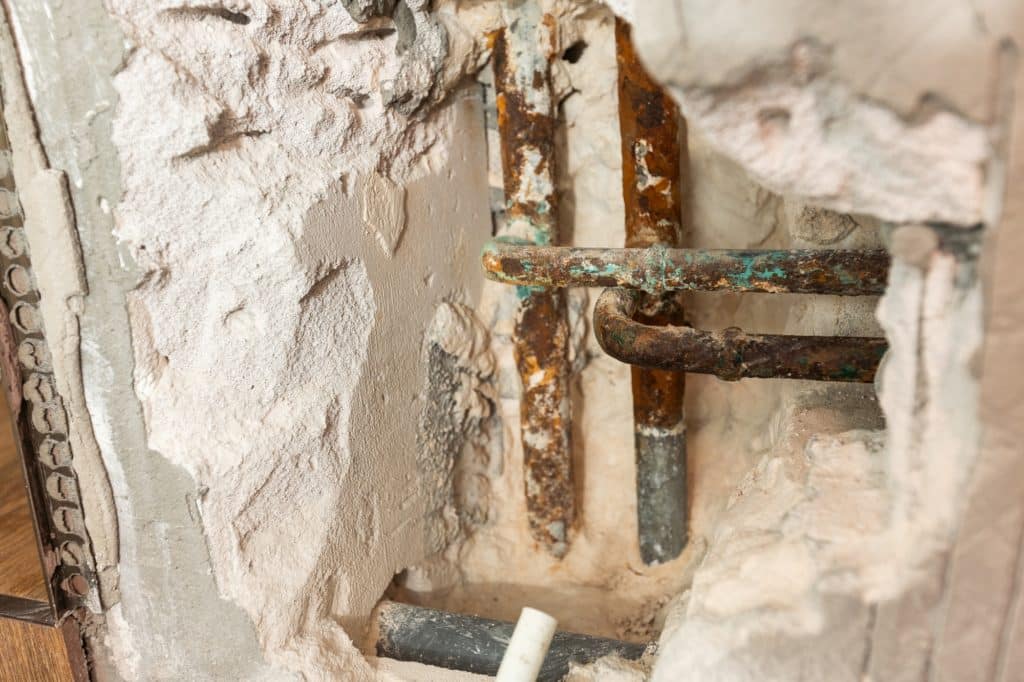
Storms in Milford often bring heavy rain, rapid snowmelt, and runoff that enters homes without warning. At My Dry Team Restoration Services, we see how quickly this leads to water intrusion in basements, crawl spaces, and lower levels. Water cleanup becomes urgent once moisture spreads into flooring, walls, and hidden areas.
Emergency cleanup in Milford needs fast action because stormwater moves through foundation cracks, roof gaps, and drainage points. We provide water damage restoration and flood clean up across Southeast Michigan with quick response and controlled drying to limit further spread.
We help homeowners manage water removal and stabilize affected spaces after storms, burst pipes, or basement flooding.

Understanding Storm-Related Water Damage in Milford Homes
Storm-related water damage in Milford homes often starts during heavy rain or rapid snowmelt.
Water enters through roof gaps, siding joints, and foundation cracks, then spreads into basements, crawl spaces, and lower flooring areas.
Our team often responds across Southeast Michigan, where drainage systems are overwhelmed. The clean up process becomes necessary when moisture builds around foundations or moves through hidden wall spaces.
Early signs include damp odors inside the home, wall stains, and soft flooring. At this stage, water damage restoration and flood clean-up are needed to stop further spread and address hidden moisture within the structure.
How Milford Storms Lead to Water Intrusion
Storm conditions in Milford create several entry paths for water.
- Heavy rainfall overwhelms gutters and drainage systems
- Water pools around foundations and seeps through small cracks
- Snowmelt adds extra pressure to already saturated soil
- Wind-driven rain enters through the roof edges and siding gaps
Each of these conditions pushes moisture into the structure. Basement walls and lower levels usually take the first impact.
Common Areas Affected in Residential Properties
Water does not stay limited to one area. It spreads based on gravity and material absorption.
We often find damage in:
- Basements and crawl spaces
- Ground-level floors and wall structures
- Insulation behind drywall
- Electrical outlets and wiring pathways near affected zones
Basements show issues first. That is due to direct contact with soil and foundation pressure. Once water enters there, it can move upward through wall cavities.
Early Signs of Water Damage After a Storm
Early signs are often subtle. We encourage homeowners to act quickly once they appear.
- Damp or musty odor inside rooms or basement areas
- Paint bubbling or discoloration on walls
- Soft or warped flooring materials
- Visible pooling or moisture along baseboards
These signs often point to hidden water behind surfaces. We also see cases where moisture spreads before any visible staining appears. When these conditions show up after a storm, we typically find that water has already moved beyond the entry point.
Immediate Actions for Emergency Cleanup
Our team acts quickly during storm-related water emergencies because water damage spreads fast inside a home.
Short delays often allow moisture to reach deeper layers of flooring, walls, and electrical systems. We focus on stopping that spread as early as possible.
Homeowners can take a few safe steps right away. These actions help reduce additional damage before professional water cleanup begins.
Initial Water Cleanup Actions Homeowners Can Take
Once the area is safe, small steps can help slow further damage.
We see better outcomes when early actions are taken before water spreads further.
- Remove visible standing water using safe tools like mops or wet vacs
- Move furniture, rugs, and stored items to dry areas
- Open windows and doors to increase airflow where weather allows
- Use fans to help reduce surface moisture
We also recommend separating wet materials from dry ones. This helps limit moisture transfer between belongings. Even light cleanup efforts can reduce how far water spreads into flooring and drywall.
When to Contact Professional Restoration Services
Some situations require immediate professional support.
We respond quickly to limit damage progression and begin controlled water removal.
- Water levels continue rising or remain active after the storm
- Signs of electrical issues, such as sparks, outages, or tripped breakers
- Exposure to sewage or contaminated stormwater
- Water has reached multiple rooms or lower structural layers
We often see deeper damage hidden behind walls or under flooring in these cases. Professional cleanup equipment allows us to extract moisture from areas that are not visible at the surface.
Calling early helps reduce long-term structural impact and keeps the cleanup process more contained.
Professional Water Damage Restoration Process
Our team at My Dry Team Restoration Services follows a structured restoration process after storm-related water damage.
Each step focuses on removing moisture, controlling spread, and returning affected areas to safe conditions. Water often reaches hidden spaces, so we work beyond surface-level cleanup.
Our team handles both visible and concealed moisture using equipment designed for different material layers inside a home.
Water Extraction and Cleanup Methods
We start by removing standing water as quickly as possible.
This limits further absorption into flooring and wall systems.
- Industrial pumps remove large volumes of standing water
- Extraction tools pull moisture from carpets and flooring layers
- Moisture detection tools locate water behind walls and under surfaces
- Containment setups help separate wet zones from dry areas
We often find water trapped in subfloor layers or behind baseboards after storms. Surface drying alone does not address these areas. That is why we rely on detection tools before moving forward with drying work.
Drying and Dehumidification Procedures
After extraction, we focus on removing remaining moisture from the structure.
This step reduces the chance of lingering dampness inside materials.
- Air movers circulate air across wet surfaces
- Dehumidifiers pull moisture from the air and enclosed spaces
- Wall and flooring moisture readings are checked during the process
We place equipment based on how water travels through the home. Some areas dry faster, while others need extended drying time. We adjust placement based on ongoing readings rather than fixed timing.
This stage continues until moisture levels return closer to normal building conditions.
Repair and Restoration of Damaged Areas
Once drying is complete, we shift to restoring affected materials.
Water exposure often weakens building components, so repairs are handled in stages.
- Damaged drywall is removed and replaced where needed
- Flooring materials such as carpet, laminate, or wood are restored or replaced
- Structural areas are checked for hidden moisture before closure
- Odor control treatments are applied to affected zones
- Sanitizing steps are completed in areas exposed to contaminated water
We often find that stormwater leaves behind residue or odor inside enclosed spaces. Addressing these conditions helps return the area to a stable condition after restoration work is completed.
Risks of Delayed Flood Clean-Up After Storms
We see more damage in homes where the cleanup process starts late.
Moisture does not stay in one place. It spreads into building materials and creates layered problems that become harder to manage over time.
Stormwater left inside a home continues to affect surfaces, air quality, and structural strength. Even a short delay can change the scope of restoration work.
Mold Growth and Indoor Air Quality Concerns
We often find mold beginning shortly after water exposure.
Damp conditions create a fast-growing environment for spores.
- Mold can begin forming within 24–48 hours after water exposure
- Spores move through HVAC systems and circulate through rooms
- Damp materials like drywall and insulation hold moisture longer
We also see indoor air changes in affected homes. Musty odors often appear before visible mold growth. In some cases, occupants notice throat irritation or increased sensitivity to indoor air.
Once mold spreads behind walls or into duct systems, cleanup becomes more involved and requires deeper removal methods.
Structural Deterioration Over Time
Water weakens building materials if it remains untreated. We often see structural changes begin within days of exposure.
- Wood framing absorbs moisture and starts to warp
- Subflooring loses strength and begins to shift
- Insulation becomes compacted and loses effectiveness
- Foundation materials take on long-term moisture exposure
We commonly find hidden damage beneath flooring or behind baseboards. These areas often look fine on the surface while degradation continues underneath.
The longer the moisture stays inside, the more layers of the structure are affected.
Increased Restoration Costs
Delayed flood clean-up often leads to wider repair needs. We regularly see small affected areas expand into larger projects over time.
- More materials require removal and replacement
- Repairs extend beyond the initial damage zone
- Drying and remediation steps take longer to complete
We also notice that secondary damage adds to the workload. For example, mold removal or subfloor replacement becomes necessary when water is not addressed early.
Acting quickly after storm exposure helps limit how far the damage spreads inside the home and reduces the extent of reconstruction work needed later.
Preventing Future Water Damage in Milford Homes
We focus on reducing repeat water problems by addressing common entry points around the home. Storm-related flooding often follows predictable patterns. Once we identify those patterns, we can take steps to limit future intrusion.
We also see that homes with regular upkeep experience fewer severe water events during heavy storms.
Basement Waterproofing and Drainage Improvements
Our team often starts with the basement because it is the most common entry point for stormwater.
Small upgrades here can reduce repeated flooding risks.
- Sump pump installation helps remove rising groundwater
- Routine sump pump testing checks the response during heavy rain
- Foundation sealing blocks moisture from entering through small cracks
- Exterior grading directs water away from the home base
We regularly find that poor drainage around the foundation allows water to pool near the basement walls. Over time, that pressure leads to seepage. Adjusting soil slope and sealing weak points reduces that pressure buildup.
These steps work together to limit how water enters lower levels of the home.
Roof and Gutter Maintenance Practices
Roof and gutter systems play a direct role in controlling storm runoff. We often see water damage begin from simple blockages or worn materials.
- Cleaning gutters removes leaves and debris that block water flow
- Roof inspections help identify missing shingles or weak areas
- Downspout extensions move water farther from the foundation
We frequently find overflow marks near gutters after storms. That overflow often leads to siding damage and foundation saturation. Keeping water moving away from the home reduces those risks.
Seasonal Preparedness for Storm Events
We prepare homes for seasonal changes by checking systems before storms arrive.
This reduces the chance of sudden water entry during heavy weather.
- Test sump pumps before spring snowmelt and heavy rain periods
- Inspect basement doors, windows, and wall joints for gaps
- Watch weather updates before major storm systems move in
Our team at My Dryteam restoration services often sees issues during rapid weather shifts in Southeast Michigan. Frozen ground thawing combined with rain creates fast water buildup around homes.
A quick seasonal check of key entry points helps reduce unexpected flooding and limits damage during storm events.
When to Call Emergency Water Restoration Professionals
My Dry Team Restoration Services steps in when water damage goes beyond basic cleanup at home.
Storm water, plumbing failures, or contaminated flooding can spread quickly and affect areas that are not easy to dry or sanitize without professional tools. We often see that early response limits how far the damage reaches inside a structure.
Situations Requiring Immediate Response
Certain situations call for fast professional support. We respond to these cases regularly across Southeast Michigan.
- Basement flooding caused by heavy storms or snowmelt
- Burst pipes triggered by freezing and thawing cycles
- Sewage or contaminated water entering living spaces
We also see hidden water spreading behind walls and under flooring in these events. What looks manageable on the surface can involve deeper moisture pockets that continue to spread if left untreated.
These conditions often require extraction equipment and controlled drying methods to stop further movement of water inside the home.
Benefits of 24/7 Water Cleanup Services
We provide a round-the-clock response because water damage does not follow a schedule.
Early action helps reduce long-term impact on the structure.
- Fast arrival to limit further water spread inside the home
- Use of extraction systems designed for large and small water volumes
- Drying equipment is placed based on moisture tracking readings
- Step-by-step restoration approach based on damage conditions
We often begin work by stabilizing affected areas first, then moving into controlled drying. This approach helps manage both visible and hidden moisture.
Having immediate access to a response team also reduces delays that can allow damage to expand into additional rooms or building layers.
Insurance and Damage Documentation Support
We also assist with documentation during water damage events.
Clear records help support the restoration and claims process.
- Photos taken of all affected areas before cleanup begins
- Notes on damage type and affected building materials
- Detailed reports used for insurance claim submissions
We often find that organized documentation helps homeowners during insurance reviews. It provides a clear record of what occurred and what areas were affected.
This step also helps track restoration progress from start to finish, especially in larger storm-related damage cases.

Storm Water Damage in Milford? We’re Ready to Respond
We respond fast when stormwater enters your home.
Our team at My Dry Team Restoration Services handles water cleanup, flood cleanup, and full water damage restoration across Southeast Michigan. We work with urgency to help limit further damage and restore affected areas. If you need immediate help, contact us at (248) 877-8982 or email office@mydryteam.com.
We are available 24/7 for emergencies. If your home has been impacted by storms in Milford, we are ready to step in with trained technicians and proper equipment.