
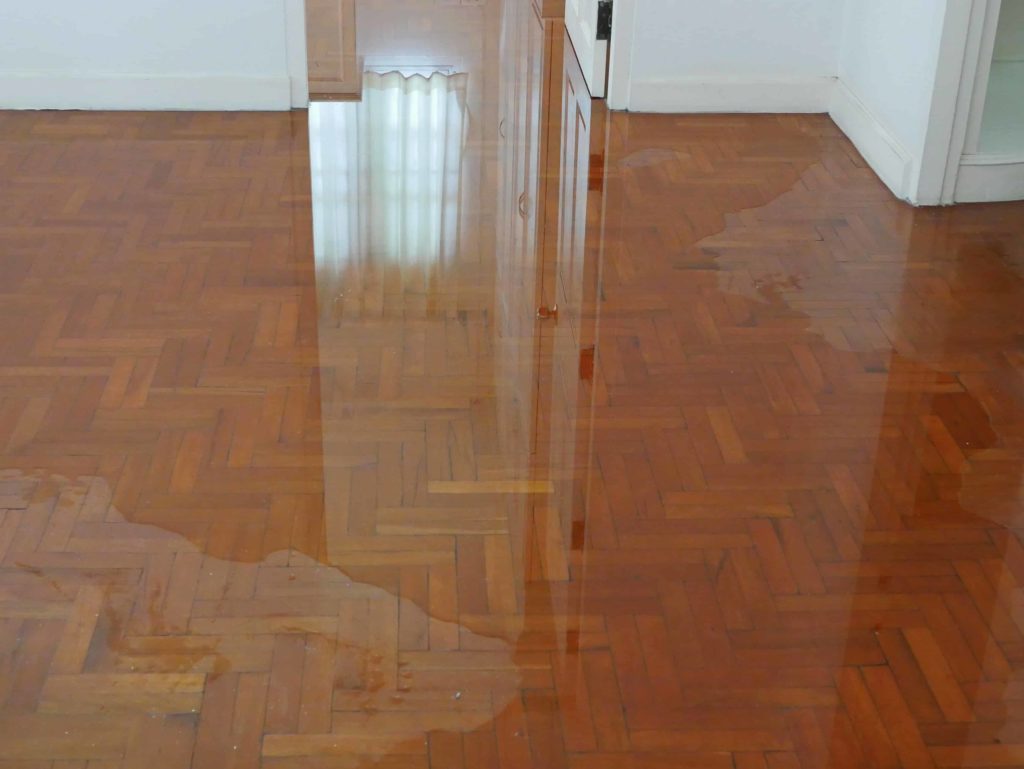
Basement flooding in Wixom, MI, can strike unexpectedly during spring snowmelt, leaving homeowners with water damage, mold risks, and costly repairs. At My Dry Team Restoration Services, we provide fast and reliable water damage restoration, water cleanup, and flood clean up to protect your home and belongings. Acting quickly after flooding helps prevent structural damage, mold growth, and other long-term problems.
Spring snowmelt combined with rain can overwhelm drainage systems, cause sump pump failures, and lead to standing water in basements. Our team in Wixom specializes in professional water cleanup and flood clean up, removing water, drying affected areas, and restoring properties to safe and livable conditions. By responding rapidly, we help homeowners limit damage and begin the restoration process efficiently.
Understanding Spring Snowmelt and Flood Risks in Wixom, MI
Spring snowmelt can quickly lead to basement flooding in Wixom.
We see homes affected each year as melting snow combines with heavy rainfall or poor drainage, creating water pressure on foundations and flooding lower levels. Acting quickly can reduce damage and help your property recover faster.
Basements are especially vulnerable because water naturally flows to the lowest point. Even a small leak or saturated soil around your home can let water seep in and create damage over time.
Why Snowmelt Causes Basement Flooding
Snowmelt leads to basement flooding by increasing water accumulation around your home’s foundation.
Rapid temperature swings cause snow to melt quickly, often faster than soil and drainage systems can handle.
Other factors include:
- Ground saturation: When soil cannot absorb additional water, it pushes water toward foundations.
- Poor drainage: Gutters, downspouts, or landscaping that direct water poorly increase the risk of water entering basements.
- Hydrostatic pressure: Water buildup outside walls pushes inward, which can force moisture through cracks or seepage points.
For example, if you have an older home with minimal foundation drainage, melting snow combined with spring rain can quickly fill your basement floor with water within hours.
Common Causes of Basement Flooding in Southeast Michigan
Several conditions often contribute to basement flooding in this region.
- Frozen or burst pipes: Winter freezes expand water in pipes, sometimes leading to cracks that release water inside walls and floors.
- Sump pump failure: Pumps may fail during high demand, leaving basements unprotected from rising water.
- Heavy rainfall combined with snowmelt: A sudden thaw paired with rain can overwhelm drainage systems.
- Foundation cracks and poor waterproofing: Any small openings allow water to enter, increasing flooding risks and property damage.
We frequently respond to calls where a combination of these issues leads to extensive water damage. Addressing them early, such as checking sump pumps or inspecting foundation cracks, helps reduce the likelihood of flooding during the snowmelt season.
The Immediate Dangers of Basement Water Damage
Basement water damage can escalate quickly, causing structural, health, and safety problems.
We respond to situations where even a few inches of water create lasting damage if left unaddressed. Recognizing these risks early helps protect your home and family.
Water in the basement is more than a nuisance. It can undermine the foundation, ruin finishes, and create hazards that affect the entire property.
Structural Risks to Your Home
Water can weaken your home’s foundation and interior structures.
Moisture seeps into walls, flooring, and insulation, causing warping, cracks, and deterioration.
For example:
- Hardwood floors may buckle or cup after water exposure.
- Drywall can swell, sag, or collapse if saturated.
- Insulation becomes ineffective and can trap moisture, allowing hidden damage to progress.
Even small leaks can compromise the structural integrity of a home over time, leading to costly repairs.
Mold Growth and Indoor Air Quality Issues
Mold can start growing within 24 to 48 hours in damp environments.
Basements often stay dark and moist, providing the perfect conditions for spores to thrive. Addressing water quickly helps prevent mold from spreading and reduces long-term health risks.
Electrical and Safety Hazards
Water in contact with electrical systems creates serious hazards. Wet outlets, submerged wiring, or appliances can trigger shocks or fires.
We often see situations where delaying intervention increases both property damage and personal risk. Immediate response protects your home and everyone inside it.
What to Do Immediately When Basement Flooding Occurs
Basement flooding can happen quickly and without warning.
We recommend taking immediate action to reduce damage and protect your home. Acting fast can limit water exposure and prevent secondary problems such as mold or structural weakening.
Knowing the right steps can make a noticeable difference in the restoration process.
Step-by-Step Emergency Response
| Step | Action | Reason |
| 1 | Turn off electricity | Prevents electrical shock and fire hazards in flooded areas |
| 2 | Avoid contaminated water | Reduces risk of illness from bacteria or chemicals |
| 3 | Shut off main water supply | Stops additional water from entering the basement |
| 4 | Identify leaks or failures | Helps control the source of flooding quickly |
| 5 | Move valuable items | Protects furniture, electronics, and personal belongings from water damage |
| 6 | Contact professional restoration | Rapid water removal, drying, and cleanup prevents long-term damage |
We recommend following these steps immediately. Acting fast limits damage, protects your belongings, and sets the stage for effective water cleanup and restoration.
Professional Water Damage Restoration and Water Cleanup Process
Recovering from basement flooding requires a methodical approach.
We follow a structured process to remove water, restore your property, and prevent long-term damage. Acting quickly with the right techniques limits structural and health risks.
Professional restoration is more than just removing water—it involves careful assessment, targeted water clean up, and rebuilding affected areas.
Inspection and Damage Assessment
We begin by inspecting the affected areas and identifying hidden water damage.
Moisture can penetrate walls, flooring, and insulation, even if it isn’t visible.
- Moisture detection tools help locate wet spots behind walls and under floors.
- Thermal imaging identifies temperature differences that indicate trapped water.
- A thorough assessment allows us to create a clear plan for restoration.
By evaluating the extent of water intrusion early, we can address problems before they worsen.
Water Extraction and Flood Clean Up
We remove standing water using specialized equipment.
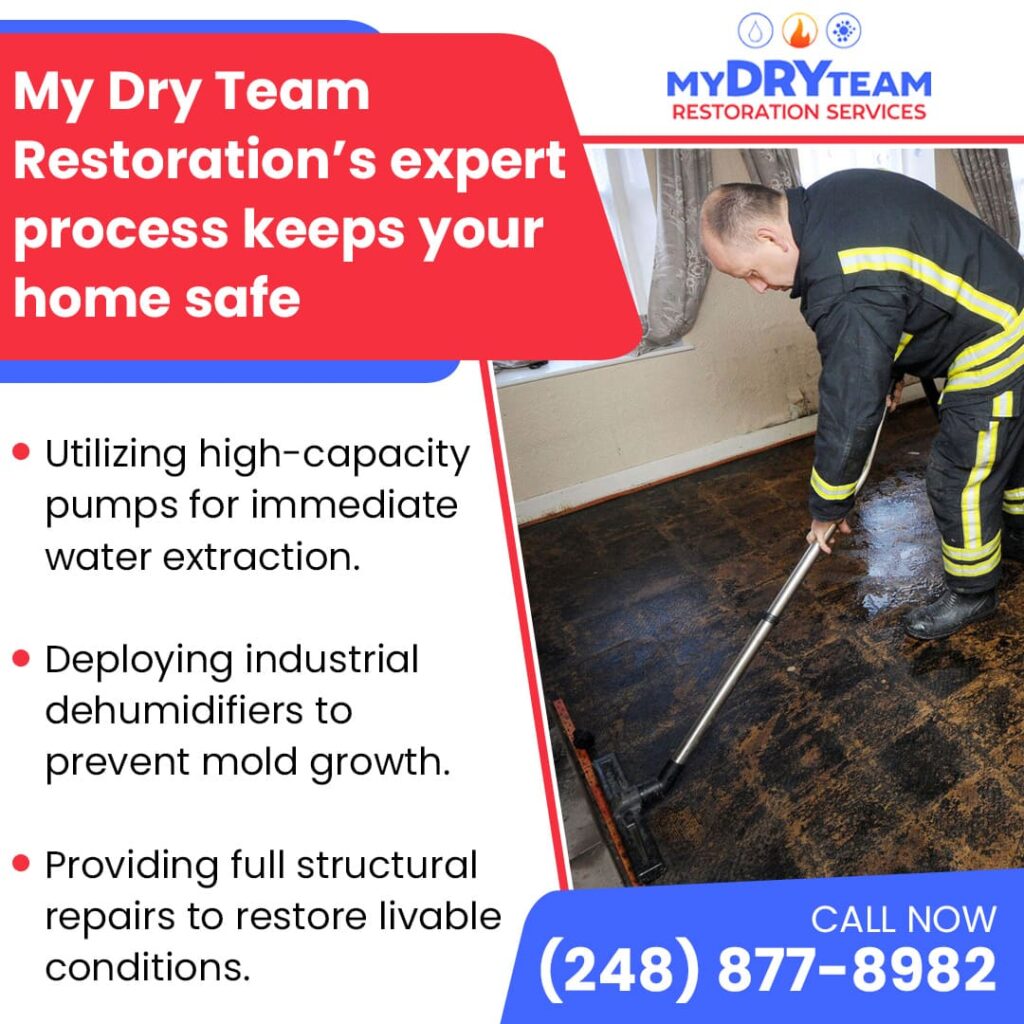
High-capacity pumps and extractors allow us to quickly eliminate large amounts of water.
- Water is removed from basements, crawl spaces, and other affected areas.
- We use techniques tailored to each situation, such as vacuum extraction or portable pumps.
- Immediate removal reduces the risk of structural damage and mold growth.
Drying, Dehumidification, and Sanitization
Drying and dehumidifying the property prevents mold and bacteria growth.
After extraction, damp areas still retain moisture that can spread if not handled properly.
- Industrial air movers and dehumidifiers target walls, floors, and hidden spaces.
- Sanitization and odor control help restore a healthy indoor environment.
- Air quality testing confirms that the property is safe to occupy.
Restoration and Repairs
Finally, we repair and restore damaged structures to their original condition.
This step returns your home to a livable state and addresses both visible and hidden damage.
- Structural repairs may include drywall replacement, flooring repair, and foundation patching.
- Reconstruction ensures that your basement is safe, dry, and functional.
- Our goal is to complete restoration efficiently while maintaining high-quality workmanship.
Why Immediate Water Cleanup and Flood Clean Up Is Critical
Delaying water removal can turn a small flood into a major problem.
We act quickly to limit damage, protect your home, and reduce costs. Fast action also prevents hidden issues in walls, flooring, and insulation.
Preventing Long-Term Structural Damage
Immediate cleanup protects your home’s structure. Water left for hours can warp floors, weaken drywall, and damage foundations.
- Wooden beams may swell and lose strength.
- Concrete and masonry can crack from prolonged moisture.
- Walls and floors may deteriorate quietly, leading to costly repairs.
Reducing Restoration Costs
Quick action lowers repair expenses.
The longer the water stays, the more materials need replacement.
- Early cleanup often avoids full-scale reconstruction.
- Minor repairs target affected areas only.
- Professional extraction stops secondary damage that drives up costs.
Avoiding Mold Remediation Expenses
Water left untreated creates mold growth in 24–48 hours.
- Drying and dehumidification stop spores from forming.
- Sanitization removes bacteria and odors.
- Preventing mold saves health risks and extra remediation costs.
Protecting Your Health and Safety
Standing water can create hazards.
- Contaminated water may carry bacteria or chemicals.
- Wet floors and debris increase slip and fall risks.
- Fast cleanup restores safe living spaces.
How to Prevent Basement Flooding During Spring Snowmelt
Basement flooding can often be prevented with simple, proactive steps.
We recommend measures that manage water flow, protect your foundation, and reduce costly damage. Early action keeps your basement dry during snowmelt and spring storms.
Maintain and Test Your Sump Pump
A working sump pump prevents water buildup.
- Check power sources and float mechanisms.
- Clear debris from the pit for smooth operation.
- Consider regular maintenance to extend its lifespan.
Improve Drainage Around Your Home
Water should flow away from your foundation.
- Gutters and downspouts should channel water at least 6 feet away.
- Grade landscaping to slope away from the home.
- Install French or surface drains in areas prone to pooling.
Seal Foundation Cracks and Waterproof Basements
Small cracks can let water in.
- Use epoxy or polyurethane for minor cracks.
- Apply exterior waterproof coatings or membranes.
- Interior sealants add extra protection.
Install Backup Systems and Alarms
Backup pumps and water alarms provide added security.
- Battery or generator-powered pumps work during outages.
- Water alarms detect leaks early and alert you immediately.
- Combining backups and alarms lowers the risk of unexpected flooding.
Why Choose My Dry Team Restoration Services
Choosing the right restoration company can make a major difference after a basement flood.
We respond quickly, restore your property efficiently, and manage every step of the process. Our goal is to get your home or business back to normal as safely and quickly as possible.
We combine experience, proper equipment, and trained specialists to handle water damage of any scale.
Fast 60-Minute Emergency Response
We arrive within 60 minutes of your call for water emergencies.
Rapid response limits water infiltration and reduces the extent of damage.
- Our team is available 24/7 for residential and commercial properties.
- Immediate action includes stopping water sources and beginning extraction.
- Quick response helps prevent structural damage and mold growth.
Complete Water Damage Restoration Solutions
We provide a full range of restoration services for water damage.
From initial assessment to final repairs, we address every aspect of the cleanup.
- Water extraction and flood cleanup using professional-grade equipment.
- Drying, dehumidification, and sanitization to stop mold and bacteria growth.
- Structural repairs and reconstruction to return the property to pre-loss condition.
Experienced and IICRC-Certified Team
Our certified technicians have the training and experience to handle all water damage scenarios.
IICRC certification demonstrates knowledge in water restoration, mold remediation, and proper cleanup procedures.
- Skilled team members can identify hidden damage behind walls and flooring.
- Expertise allows us to prevent secondary problems and restore safety.
- We follow industry-approved methods to handle emergencies efficiently.
Full-Service Cleanup, Restoration, and Reconstruction
We manage the entire process from cleanup to rebuilding.
This eliminates the need to hire multiple contractors and helps streamline the restoration.
- Structural repairs, drywall, flooring, and finishing touches are handled by our team.
- Biohazard or mold issues are addressed thoroughly and safely.
- Customers receive clear updates throughout every step of the water damage restoration process.
Frequently Asked Questions
Q1: What signs indicate hidden water damage in my basement?
Hidden water damage often shows subtle clues that aren’t immediately visible. Catching these signs early helps prevent mold and structural issues.
- Musty or damp odors that linger in closed spaces.
- Staining, warping, or bubbling on walls, flooring, or baseboards.
- Discoloration or mold spots in corners or behind furniture.
- Warped or soft wood near support beams or flooring.
We often find homeowners unaware of water behind walls until professionals use moisture meters or thermal imaging to detect trapped water. Early detection helps us stop damage from spreading.
Q2: How do seasonal storms affect basement flooding risks?
Storms during spring snowmelt increase the chance of basement flooding. Rain combines with melting snow, saturating soil and pushing water toward foundations.
- Heavy rain can overwhelm gutters and drainage systems.
- Rapid snowmelt raises the water table near homes.
- Strong storms may damage sump pumps or drainage pipes.
We recommend checking gutters, grading, and drainage before seasonal storms to reduce risks and keep water away from your basement.
Q3: Is it safe to use electrical appliances after a basement flood?
Electrical appliances can be dangerous if they’ve been exposed to water. Water can energize outlets or devices, creating a shock or fire hazard.
- Avoid plugging in electronics until they are inspected.
- Do not use appliances that are submerged or in standing water.
- Have certified electricians or restoration specialists assess electrical systems before use.
We prioritize safety during every flood response, checking power sources before beginning cleanup to protect your family and property.
Q4: What steps can prevent future basement flooding after restoration?
Preventing future flooding requires both maintenance and proactive improvements. Regular attention reduces risks during the spring thaw or heavy storms.
- Test and maintain sump pumps regularly.
- Inspect and seal foundation cracks or leaks.
- Improve grading and gutter systems to direct water away from the home.
- Install water alarms or backup pumps for early warning.
We guide homeowners through these steps after restoration to keep basements dry and protect their investment.
24/7 Emergency Water Damage Restoration, Water Cleanup, and Flood Clean Up
Our team responds within 60 minutes to start water removal and cleanup. We extract standing water, dry and sanitize affected areas, and complete restoration to return your basement to normal.
Call us at (248) 877-8982 or send an email to office@mydryteam.com to reach certified restoration specialists. We manage everything from extraction to reconstruction, letting you focus on daily life while we handle the flood cleanup quickly and professionally.
We are available around the clock to respond to water emergencies, extract standing water, and restore your home quickly.